3 Hidden Electrical Hazards in Pre-1990 Apartment Blocks
Published on November 14, 2024 | Written by CertifySafe Technical Board
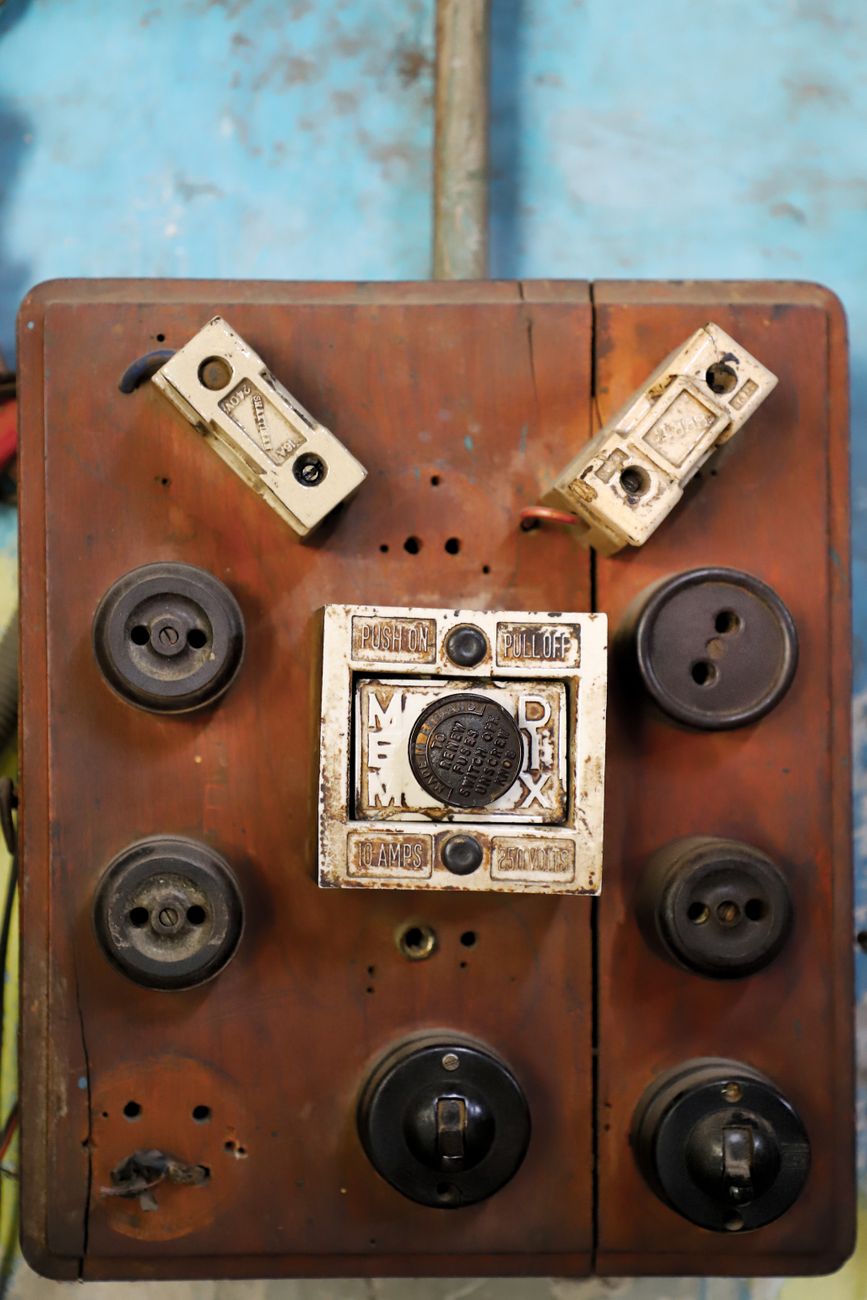
As Tokyo continues to upgrade its housing infrastructure, older residential complexes constructed before the implementation of updated insulation codes face structural degradation. Behind fresh wallpaper, the main electrical systems remain largely untouched since initial installation.
1. Corrosion of Outdated Conduit Joints
Many early buildings used copper wire paired with alternative steel fittings. Over several decades of humidity cycles, galvanic corrosion takes place, creating localized resistance nodes that generate heat whenever high-draw appliances run.
2. Degradation of Rubberized Insulation
Before standard PVC sheathing, wire insulation often relied on synthetic rubber compositions. Over time, heat turns this rubber brittle, allowing it to flake off and leave live conductors exposed inside the concrete conduits.
3. Absent or Degraded Earth Terminals
Grounding is vital to direct short-circuits away from users. However, older apartment layouts frequently omitted grounding tracks in standard outlets, leaving bathrooms and laundry systems vulnerable to high voltage leakage.
"Addressing these three simple points can reduce potential apartment fire hazards by over 80%."
Unsure of your building's current electrical status?
Let our independent technical team conduct a complete diagnostic scan before issues escalate.
Book a Free Site Consultation